


why choose us
Quality Control
Adhering to strict quality control standards, we utilize advanced testing equipment and processes to ensure products meet high-quality standards.
Rich Experience
Dedicated to strict quality control and attentive customer service, our experienced staff is always available to discuss your requirements and ensure complete customer satisfaction.
Customized services
We understand that each customer has unique manufacturing needs. That's why we offer customization options to cater to your specific requirements.
Expertise
Our team of experts has extensive knowledge and experience in the industry. We are well-equipped to provide expert advice and guidance to our clients.
-

Polyurethane Hollow Rods / Tubes
Use these tubes as jackets, seals, and insulation in areas where rubbing and scraping could cause wear. They are made of polyurethane, which combines the shock-absorbing qualities of rubber with the
Add to Inquiry -
Rectangular Square Silicone Tubes
Customized square and rectangular silicone tube, rubber tube. They are made of silica gel or rubber, with a hollow center and high temperature resistance.
Add to Inquiry -
The 14mm Silicone Hose is an advanced tubing solution designed to provide outstanding performance in a variety of applications. Made from premium silicone rubber, the hose combines strength,
Add to Inquiry -
3mm ID Silicone Tubing is a versatile and reliable solution for a variety of industrial, automotive and everyday applications. Designed with a 3mm ID, the tube can meet fluid or gas transfer needs,
Add to Inquiry -
We are a professional manufacturer specialized in 5mm ID silicone tubing. What sets us apart is our ability to offer extensive customization options. Not only can we provide various high-quality
Add to Inquiry -
We are a orange silicone tubing manufacturer with rich industry experience and advanced production technology. Our silicone tubes are available in a full range of specifications to meet your diverse
Add to Inquiry -
Hollow Silicone Tubing: Unveiling the Versatile Solution for Your NeedsHollow silicone tubing is a remarkable product that has carved out a niche in various industries, owing to its unique set of
Add to Inquiry -
Our 4mm ID Silicone Tubing is made of high quality silicone with excellent flexibility, allowing it to bend and manipulate easily without kinking. The tubing has a precise 4mm inner diameter,
Add to Inquiry -
Silicone material offers exceptional durability and adaptability, making it an ideal choice for demanding applications. With low adsorption properties and a broad operating temperature range of -50°C
Add to Inquiry -
Silicone for exhaust pipe is a specialized high-temperature resistant material designed to insulate and seal exhaust systems in automotive applications. It is typically used as a replacement for
Add to Inquiry -
Silicone conduit is a type of flexible tubing made from high-quality silicone rubber, designed to protect and route electrical cables and wiring. It offers excellent insulation and protection against
Add to Inquiry -
Heat resistant silicone pipe is a specialized tubing designed to withstand high temperatures, making it ideal for applications where conventional pipes may fail due to thermal exposure. It is
Add to Inquiry

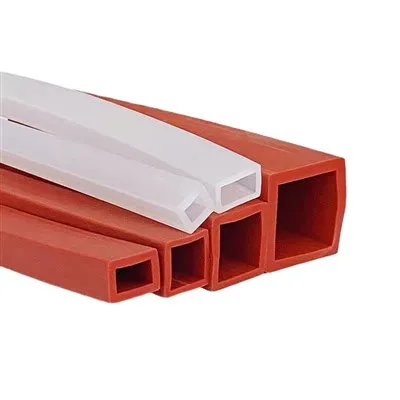


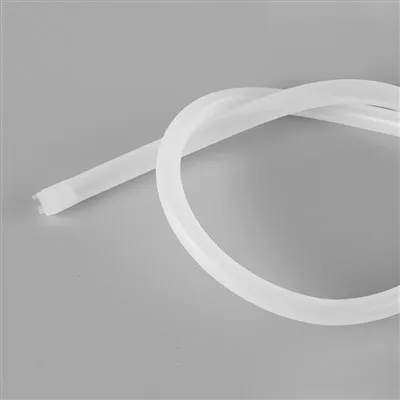


What is Silicone Tubing?
Silicone tubing is a tough elastomer with high strength, flexibility, and resistance. Silicone tubing can be stretched without tearing and is highly versatile. It cannot be weakened with repeated bending and twisting due to its significant flexibility. Because silicone tubing is very hygienic and non-toxic, it can be produced as a medical-grade material, making it a popular choice for healthcare and medical applications.

Silicone has properties that allow it to work well over a broad range of temperatures and adapt easily to sudden changes in weather and temperature. Silicone tubing has a major role in a variety of industries and applications involving the transfer of liquids and gasses. It has a fantastic range of properties that make it the preferred material for tubing in many situations.
Silicone exhibits excellent properties, including UV and heat resistance, making silicone tubes ideal for the electrical and aerospace industries. It is easy to clean and sterilize the material, making it ideal in environments that prioritize hygiene, such as medical and pharmaceutical industries and food production. Silicone tubing is available in different sizes and grades, such as high-temperature silicone tubing.
High-temperature silicone tubing can resist extreme variations in temperature, unlike plastic or rubber tubing. Food-grade silicone tubing is also a very reliable and FDA-compliant material that exhibits stability, temperature resistance, and non-stick properties. This, in turn, makes it ideal for the production of food and beverages. Medical-grade silicone tubing is another type that meets several requirements for cleanliness and non-toxicity that are necessary for the medical industry.
Manufacturing Silicone Tubing
Extrusion Process
The extrusion process is preferred because it is cost-effective and can produce large batches of products in a very short lead time. This part-forming process is generally performed by rubber fabricators. The process is initiated when a heated and cured silicone-formulated compound is preformed into a slab or strip.
The next step is to feed the formed silicone into a screw extruder. The screw extruder forces the compound through the hardened steel die. The extruder head holds the die in place, and the die shapes the silicone tubing once the silicone has been forced through. The silicone profile then exits the die and is cured by being continuously pulled through a heated and cured oven.
Several ovens are used to circulate hot air vertically and horizontally: salt bath cures, steam vulcanization, and infrared cures. Some fabricators prefer to perform the vulcanization of the silicone after it has been extruded into a long trough filled with salt water. However, this technique has the main challenge of choosing the right raw materials that are capable of performing best in their specific temperature and mechanically controlled processes and will enable the final products to meet specifications.
Difference Between the Extrusion and Injection Molding Processes of Silicone Tubing
The difference between these two processes starts from the shape of the product, application field, and production direction. The extrusion process produces regular round shapes in any number of lengths, while the molding process is capable of producing irregular shapes in restricted lengths.
With the extrusion process, after passing over a length greater than 50 feet, the vulcanization of the tunnel used for drying must be re-sulfurized. Theoretically, the silicone tubing of the extrusion process is infinitely long without having a stop at the inlet. The other process used is the solid-liquid injection process, which utilizes liquid glue production. This method of production is a bit similar to plastic injection. It is initiated by injecting the liquid glue into the mold after high-temperature sulfurization.
Silicone has good properties of resistance and insulation, which is why it is preferred in the power industry. The solid-liquid injection produces fixed and irregular shapes, while the extrusion process produces long round tubes. Both methods can withstand ultra-high voltage characteristics and are used in power transmission lines and terminals.
The silicone tubing extrusion process is mostly utilized in the medical field for cooperation with the solid-liquid injection process. The extrusion process is mostly responsible for producing drainage pipes. The liquid injection process mainly functions to produce irregular pipes. The extrusion process produces regular pipes, but the raw materials of the liquid process and the cost of all aspects of the equipment will be more than the cost of the extrusion process. Therefore, when producing regular pipelines, the lower-cost extrusion process can be utilized.
Silicone Tubing Sizes
The size of a silicone tube determines its use. For example, small silicone tubing is commonly used for electrical sleeving because of its thin walls and flexibility. Medium-sized silicone tubing is utilized for carrying liquids and powders. Finally, large silicone tubing is mostly utilized in applications involving air ducts and dielectrics.
Medium silicone tubing is often employed in the pharmaceutical and food industries, mainly in applications where hygiene is critical. Platinum silicone tubing is a common all-rounder tubing free of ketones and peroxide. This makes it ideal for the medical, food, dairy, and vending industries. This type of silicone tubing ensures taste preservation and does not taint the product it carries. Cured silicone tubing is also utilized as a general-purpose tubing that can be used with food.
Types of Silicone Tubing
Silicone Peroxide Cured Tubing
Silicone peroxide tubing is available in a translucent format in different diameters. This type of silicone tubing mostly suits applications that do not require high purity, repeated sterilization, and critical dosing. Silicone peroxide tubing is most commonly used for different pump and transfer applications.
Platinum-Cured Silicone Tubing
Platinum-cured silicone tubing has many advantages over peroxide-cured silicone tubing. These advantages make it very popular in the food and beverage industries. This type of silicone tubing exhibits a high tear strength. It can operate in a broad range of temperatures ranging from -40 °F (-40 °C) to 392 °F (200 °C). This enables the use of this product in many different applications and environments without deterioration.
Silicone Dairy Tubing
As suggested by the name, this type of silicone tubing is specifically designed and manufactured for use in the dairy industry. This is because of the product's high mechanical wear and tear strength properties. In addition, most silicone dairy tubes are platinum-cured, bringing many benefits to this tubing over other tubing products. For example, silicone dairy tubing is non-yellowing and does not contain any peroxide by-products.
Silicone Fuel Tubing
Silicone fuel tubing is most commonly utilized in the radio-controlled model car industry. This type of silicone tubing exhibits high resistance to methanol and nitro fuels, keeping the fuel cleaner and reducing the tubing's deterioration. This tubing is found in many different aesthetically pleasing colors to match any car color. It must be noted that silicone fuel tubing is designed to be used with radio-controlled model cars and is not ideal for use with petrol.
High-Temperature Silicone Tubing
High-temperature silicone tubing is resistant to extreme temperature variations. The name of a silicone hose is typically followed by a number, like 550. This number indicates the hose's absolute maximum point of heat tolerance. Choosing the appropriate high-temperature silicone hose will be simple if temperatures are anticipated properly.
Food-Grade Silicone Tubing
For usage in food and beverage applications, food-grade silicone is a strong, long-lasting substance that offers a healthier, more inert substitute for plastics. The absence of plasticizers in silicone makes it much less likely for BPA and other dangerous chemicals to leak into food and beverages. It also stops flavors and aromas from transferring to the food or beverage it contacts. Silicone is a great material for food storage and transportation to combat single-use plastics since it is strong, non-porous, and temperature-tolerant.
Medical-Grade Silicone Tubing
Specially designed medical-grade tubing meets the stringent standards for cleanliness and non-toxicity for medical devices. The United States Pharmacopeial Convention (USP) has developed a sequence of six tests that cites specific standards to be followed for the certification of medical devices. The first requirement that silicone tubing must adhere to is biocompatility, a necessity for medical tools, devices, and equipment that will come in contact with human tissue. In addition, USP Class VI specifies that silicone tubing resists adhesion and prevents bacterial growth.
Overmolded Silicone Junctions
Shear is a force that acts tangentially to a surface that it passes over and develops due to an increase in the velocity gradient of a fluid. Tangential force causes a fluid to move in layers at different velocities, a factor that causes resistance between the layers, exerts force on the cells moving through the tubing, and can damage or destroy the cells.
Colored Silicone Tubing
This assortment of colored tubing has thick walls and is made of general-purpose silicone rubber, making it appropriate for usage at high vacuum levels. Colored silicone tubing is available in a wide variety of colors. Among other applications, it is used in the electrical industry for sleeving electrical cables.
General Purpose Silicone Tubing
This type of silicone tubing is suitable for use in applications that do not require high-pressure hoses or compound purity of a high level. In addition, because of its excellent thermal and flexibility properties, it can be utilized on most domestic appliances and hobby or workshop applications.
Applications and Benefits of Silicone Tubing
Silicone Tubing in the Medical Field
Silicone tubing exhibits properties that make it useful in the medical field. It has already been seen that silicone tubing is very tough, easy to clean, and easy to sterilize. Because of these properties, it is valued by medical practitioners. However, one of the most important properties that silicone tubing exhibits from a medical standpoint is its biocompatibility. This means that it is neither harmful nor toxic to living tissues and is unlikely to yield an allergic response. This makes it a popular material for medical implants, drains, catheters, feeding tubes, and other medical products that have biocompatibility as a key requirement.
Electronic Equipment and Automotive
Silicone tubing is excellent for electrical insulation, making it suitable for use in electronics across several industries. It is mostly used for insulating electrical components in automotive enclosures.
Food and Dairy Processing
Food-grade silicone tubing is optimal for dairy processing equipment, beverage dispensing, and other food industry applications requiring sterile and flexible materials with high chemical and heat tolerance.
Superior Flexibility
Silicone tubing is highly flexible over a range of temperatures. Compared to some high-temperature rubber tubing, silicone tubing does not become soft when exposed to high temperatures or harden at low temperatures. This makes it ideal for use in extreme environments.
Temperature Range
Silicone tubing has a broad temperature range, allowing it to withstand temperatures from -130 °F to 600 °F (-90 to 315.5 °C). Silicone tubing is also resistant to UV radiation and ozone; therefore, it is less likely to degrade from exposure.
Higher Strength
Silicone tubing exhibits high tensile strength. Because of this quality, its wear, tear, and breakage are reduced. This makes it most suitable for high-traffic industries like plumbing and food service. Silicone tubing has a long life expectancy because of its flexibility and toughness. It does not easily crack or break because it has good elongation at break and tensile strength.
Color Availability
Silicone tubing has many color options available and can be color matched.
Smoother Surface Finish
Food and medical-grade silicone tubing have a smooth inner and outer surface finish, making them suitable for applications where a smooth, sterile surface is required. This surface helps to prevent contamination like that found in food service, medical, and analytical instrumentation industries.
Durability
Silicone tubing exhibits excellent properties, including extreme durability, resilience, and resistance against repeated compression cycles.
Range in Hardness
Silicone tubing is resistant to surface penetration or hardness ranging from 20 Shore A to 90 Shore A.
Better Pliability
Silicone tubing is pliable, allowing it to be utilized in confined or high-pressure applications where a more rigid rubber material would break or tear.
Resistance to Autoclaving, UV, and Fungus
Silicone tubing can withstand ultraviolet radiation (UV) and impede pathogen growth. This, in turn, makes it ideal for use in food processing, pharmaceutical, and medical industries. Additionally, silicone tubing is hygienic and sterile. It does not bolster the growth of bacteria or any solid buildup. Silicone tubing also offers good resistance to ozone and weather.
Ease of Manufacturing
Silicone tubing can be manufactured in various sizes and lengths.
Easy to Clean
Silicone tubing is easy to clean with little effort. It does not become fragile, brittle, or stiffened even after repeated use of chemicals.
Tasteless, Odorless, and Inert
Silicone tubing does not interact with what it carries. This makes it appropriate for food, water, air, and beverage applications because it does not tarnish the nature and quality of the products being handled.
What is the life span of silicone tubing?
Silicone tubing is known for its durability and resistance to temperature extremes, chemicals, and UV radiation, which generally contributes to a longer lifespan compared to some other types of tubing. However, here are some considerations to keep in mind:
Quality: The quality of the silicone tubing plays a significant role in its lifespan. Higher-quality tubing with better manufacturing processes and materials will generally last longer.
Intended Use: The specific purpose for which the silicone tubing is being used can impact its lifespan. If the tubing is used in applications with abrasive fluids, extreme pressures, or constant flexing, it might experience more wear and tear.
Environmental Factors: Exposure to extreme temperatures, sunlight (UV radiation), humidity, and chemicals can affect the durability of silicone tubing. High temperatures and exposure to harsh chemicals might cause degradation over time.
Maintenance and Care: Regular maintenance and proper care can extend the lifespan of silicone tubing. Cleaning the tubing according to manufacturer guidelines and ensuring that it's not subjected to excessive stress or bending can help prolong its usability.
Installation: Proper installation techniques, including avoiding kinks, sharp bends, and unnecessary stretching, can prevent premature wear and damage.
Aging: Over time, even high-quality silicone tubing can experience aging, which might lead to changes in its physical properties and performance. This can include increased stiffness, reduced elasticity, or a change in color.
Specific Grades: Different grades of silicone tubing are available for various applications, such as medical, industrial, and food-grade. The properties of the tubing can vary based on the intended use.
Our Factory
This characteristic of global collaboration highlights our strong presence in different markets and reflects our flexible and adaptive business model. Through partnerships with clients worldwide, we continuously expand our international business network, dedicated to delivering excellent products and services that meet the diverse needs of customers globally.

FAQ
Find professional silicone tube manufacturers and suppliers in China here. Please feel free to wholesale high quality silicone tube made in China here from our factory. For custom service, contact us now.
