


why choose us
Quality Control
Adhering to strict quality control standards, we utilize advanced testing equipment and processes to ensure products meet high-quality standards.
Rich Experience
Dedicated to strict quality control and attentive customer service, our experienced staff is always available to discuss your requirements and ensure complete customer satisfaction.
Customized services
We understand that each customer has unique manufacturing needs. That's why we offer customization options to cater to your specific requirements.
Expertise
Our team of experts has extensive knowledge and experience in the industry. We are well-equipped to provide expert advice and guidance to our clients.
-

Cupped Piston Seals, also known as L-shaped Rubber Cup Seal, are usually made of nitrile rubber and used for cylinders.
Add to Inquiry -
Silicone Rubber Duckbill One-Way Check Valve
The Chaoyue Seals rubber duckbill check valves unique design prevents backflow and water hammer combined with ultra-quiet operation and negligible maintenance and energy costs.
Add to Inquiry -
Square-profile Fluorosilicone Rubber Bar
Customized ultra-soft square profile (FVMQ) fluorosilicone rubber bar sealing strips
Add to Inquiry -
DIN 3869 profile ring seals are widely used in hydraulic and pneumatic systems, providing reliable sealing solutions for static applications. These profile ring seals, manufactured according to the
Add to Inquiry -
-
Heavy Duty Shaft-Mounted Rotary Shaft Seals. Also known as V-rings and flingers, normally made of material in FKM/NBR/EPDM or Silicone.
Add to Inquiry -
Our rubber inflatable seals are the perfect product for a variety of applications where it is important to seal two surfaces that move in relation to each other. Air-inflated gaskets, i.e. pneumatic
Add to Inquiry -
Wrap this soft rubber trim around rough or sharp edges to protect people and parts when they bump into them. It also prevents denting and wear to sheet metal, signs, and equipment. It's flexible
Add to Inquiry -
SMS Seal Ring is designed as L and T style specifically for SMS fittings.
Add to Inquiry -
Silicone&Rubber Crucible Sleeves
For glass filtering flasks.Enables a clean and firm seal between funnels, vacuum filters, flasks, etc.
Add to Inquiry -
Our Flexible Flat Bar is used for edge protection and finishing. The Flexible silicone or rubber is easy to cut and is also used for spacing and as a cover strip.
Add to Inquiry -
Silicone Rubber Inflatable Seal
Inflatable sealing ring, also known as air bag, is hollow inside with one or more inflation (deflation) nozzles.
Add to Inquiry
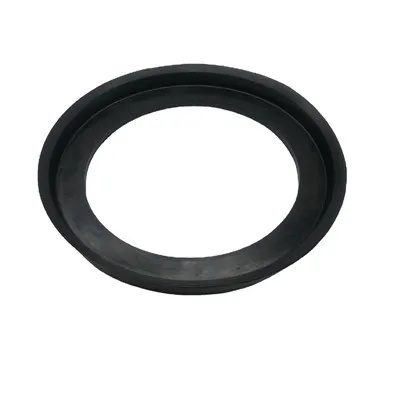


What is Rubber Seal?
Rubber gaskets are elastic components that are utilized for mechanically sealing the minute gaps between two joints or surfaces. Some examples of these surfaces are mating surfaces of the automotive cylinder head fittings and piping, engine block, door edges, tank cover and rim, frames, and so more.
A Short Guide For Rubber Seals & Design
Rubber seals are used in numerous industries to prevent the unwanted leakage of liquids and gases in various components such as pumps, valves, pipe fittings, and vacuum seals, to name only a few. However, all seals are not created equally. Rubber seal design consists of several elements to ensure that the seal delivers optimal performance in the given environment.
One of the most common types of industrial rubber seals, the O-ring, relies on mechanical compressive deformation to act as a barrier between mating surfaces, thus restricting the flow of fluid in predetermined areas. Several factors must, therefore, be taken into account in O-ring seal design to sustain the compressive force and maintain an effective seal.
Key Design Considerations
Rubber seals are available in a large number of material compositions, each with its own set of advantages and limitations. The selection of the appropriate material involves the consideration of specific factors including:
Dimensional Requirements
To provide a proper seal, the O-ring needs to be compressed between the mating surfaces. The deformation caused by this compression is what prevents fluid leakage. To achieve the proper compressive force and deformation, the cross section of the O-ring needs to be sufficiently larger than the gland depth.
As the two mating surfaces press together, the O-ring seal compresses axially and exerts an equal and opposite force at the top and bottom ends of the seal. If the O-ring is too small, the seal may not compress when the surface come together. On the other hand, an O-ring that is too large will over pack the gland and disrupt the connection between the mating surfaces.
Friction
Friction considerations are essential in dynamic applications – in situations that involve relative movement between the mating surfaces.
In reciprocating applications, these movements can generate frictional forces which may cause failure due to abrasion or extrusion and successive nibbling of the seal. In rotary applications, friction may generate excessive heat and seal expansion due to the Joule effect. In both of these applications, proper groove design, along with appropriate lubrication and speed of operation can help to avoid these issues. Silicone and related materials such as Fluorosilicone, liquid silicone rubber, and medical grade silicone are often avoided in dynamic applications due to their low abrasion/tear resistance.
Temperature
Long-term exposure to excessive heat can cause inappropriate rubber seals materials to deteriorate physically or chemically over time. Excessively high temperatures can cause specific materials to swell and harden, resulting in permanent deformation. Conversely, overly cold temperatures may cause material shrinkage and result in leakage due to loss of seal contact, or insufficient compressive force due to stiffening of the rubber compound.
Therefore, the appropriate seal material should be selected to withstand the expected temperature ranges of the environment. The length of exposure should also be considered. For example, would the temperatures be sustained in short intervals or at sustained levels?
Pressure
Differential pressures tend to push rubber seals (o-rings) to the low-pressure side of the gland causing it to distort against the gland wall. This action blocks the diametrical gap between the mating surfaces and results in the formation of a positive seal. Excessively high pressures can cause softer O-ring materials to extrude into the diametrical gap resulting in permanent seal failure and subsequent leakage. To avoid this situation, seal materials that operate optimally within the expected temperature range should be selected.
Chemical Compatibility
One of the most critical considerations for rubber seals design and material selection is determining the material’s resistance to exposure to specific chemicals. Some fluids can react negatively with certain materials while having little to no effect on another. For example, Nitrile is highly resistant to petroleum-based oils and fuels, while the use of Butyl is avoided in applications with exposure to petroleum and other hydrocarbon-based solvents due to its poor resistance.
Automotive gasket manufacturers produce several types of rubber seals
Rubber washers
These flat rubber rings have an open center that allows fluid to pass through the connected parts. They provide a tight, non-abrasive seal in pipe and hose fittings to protects against leaks, vibration, and electrical charges.
Rubber gaskets
Gaskets are cut into various shapes and sizes from large sheets of rubber, which makes them highly customizable to meet the needs of specific fittings. They are widely used in the automotive industry to prevent leakage between connected parts due to their durability, color stability, temperature resistance, and general affordability.
Rubber bushings
Bushings absorb shock, minimize vibration, resist abrasion, and minimize or eliminate the need for lubrication between components. They are flexible and easy to use for parts like gear sticks, internal combustion, and suspension systems.
Silicone rubber tubing
Silicone tubing is a highly versatile product that resists frequent or continuous exposure to weather, UV radiation, heat, and ozone. This type of tubing sees extensive use in the automotive industry as an insulator for electrical cables and wires.
Applications of Rubber Seals in the Automotive Industry
Automotive rubber products play an important role in many applications in the automotive industry. Their primary uses in mechanical equipment include filling gaps between components, minimizing damage from vibration, preventing the leakage of liquids or gases, or hindering contamination from moisture or dirt.
Cooling system gaskets. These gaskets seal components within the system to prevent the coolant from leaking out.
Differential seals and gaskets. Highly flexible differential seals and gaskets are attached to the transmission axle to protect it from dirt, grime, and other contaminants that could damage the transmission.
Electrical junction boxes/fuse boxes. Electrical seals stop moisture and dirt from getting into the electrical system where they could cause sparks, fires, shorts, or other malfunctions.
Engine seals and gaskets. These seals and gaskets absorb excess heat and compression while ensuring that oil, fluids, or coolant don’t leak into or out of the engine compartment.
Fuel supply gaskets. Placed in between the fuel pump mounting surface and the fuel pump space, fuel supply gaskets maintain pressure within the engine compartment.
Transmission seals. Transmission seals and gaskets are used in internal and external transmission components to create pressure-tight connections in accumulators, servos, clutch packs, and transmission axle cases.
Windshields. The seals and gaskets used around windshields are an important factor in safety and comfort, maintaining air quality, cushioning the windshield against flexing movements, and protecting the occupants from wind, water, and noise.
Steps to restoring your rubber seals
Prepare the rubber seal. Ensure all dirt/debris is cleaned from the rubber seal itself and the application. Dirt and grime are bad for rubber seals and causes them to deteriorate much faster. It's important to clean off any paraffin wax, too, that may have come from the rubber itself after some time. This can be achieved by using a rubber solvent, available from most hardware stores.
Don't be afraid to scrub. Scrubbing the rubber seal will not only remove all dirt attached to the rubber, but it also helps restore the overall appearance of the seal itself. The less dirt on a rubber seal, the less likely wear and tear will occur. If the seal is only slightly dirty, warm water and soap will work perfectly. For more stubborn dirt and grime, and if mould and mildew are present, then you will need a stronger solution, and in this instance, we'd recommend diluted bleach, drying thoroughly with a cotton cloth afterwards.
Apply a suitable conditioner. There is a range of rubber conditioners on the market for you to choose from. Choosing the right one is all down to personal preference, as well as the availability of the product. Make sure to rub the conditioner thoroughly into the seal, ensuring that the entire seal is saturated. Wipe off any excess conditioner.
Remove excessive damage. Even when following the most stringent of rubber restoring techniques, some parts of the seal may be too far gone to be repaired. If this is the case and there are parts of the seal that simply can’t be repaired, using the tools mentioned above, remove these areas completely. (Of course, it's important not to remove too much, as you don’t want to render the seal entirely useless). Once the damaged areas have been removed, using a file or abrasive emery, buff the remainder parts to create a smooth gasket seal. Once the buffing has been carried out, you will then need to reapply the rubber conditioner to help restore the seals level of protection.
Help to increase the seal's shelf life. Depending on the circumstances, repairs with certain adhesives and super glue may also keep the part alive for a little longer.

Advantages of Rubber Seal
Temperature Resistance
Rubber seals can withstand extreme temperatures and variations. For instance, silicon rubber seals will withstand temperatures as low as -100 degrees Celsius and up to 310 degrees Celsius. The wide range makes rubber seals ideal for applications with massive temperature swings.
Comparative Durability
Rubber is more durable than other materials and forms an impervious airtight and watertight seal. More importantly, rubber is flexible and provides resistance in proportion to the pressure applied. Rubber seals also maintain integrity for a longer duration.
Highly Malleable
Rubber is easy to mold into different sizes and shapes used in a wide range of applications. O rings, U rings, and V rings are popular examples of rubber seals. Others are rotary oil seals, spring-installed seals, bearing isolators, and clearance seals.
Less Toxic
Most types of rubber seals are non-toxic in the environments they work. Rubber won't compromise the grooves or other components it contacts. It also won't degrade under heat, ethylene oxide, electron beams, steam autoclaving, or gamma radiation sterilization.
More Compatible
Rubber is compatible with many materials and can complement other substances to improve the seal's integrity. Rubber treatment can improve compression capabilities, tolerance to extreme temperatures, and overall longevity, and also prevent seal failure.
Different Grades and Colors
Rubber seals come in different grades, such as soft rubber, hard rubber, and everything in between. Some options, like thin gauge gasket sheets, are ideal for specialized application, while others are for general use.
Rubber Seal Design: Molding and Material Considerations
Surface Finish
Surface finish is important because a rough surface can provide a path for potential leaks. In general, rubber seals with smoother surfaces last longer and mate with surfaces more effectively. For example, in a fluid power application, the surface finish of a rubber seal can influence how successfully a fluid is contained with a system.
Flatness and Parallelism
Like surface finish, flatness and parallelism are important because they help to prevent leakage. Flatness is a measure of deviation from a straight edge in one plane. Parallelism is the relationship of surfaces in different planes. Here are some examples of how these surface measurements are used:
If a rubber product has a metal insert, the mold’s surface may need to be flat within a specific measurement, such as 0.001”.
If a parallel plates are used during molding, they may need to be parallel to each other within 0.002”.
Part Tolerances
Part tolerances are allowable variations in the dimensions of molded rubber products. They are pivotal because they determine how well a rubber seal will fit into your application and how reliable the final product will be. By eliminating ambiguity about dimensions, part tolerances improve fit and function.
Low Temperature Capability
Low temperature capability is important because rubber becomes less flexible in the cold and can crack or break. Even if a rubber seal doesn't fail, performance becomes less predictable at the limits of a material's temperature range. By selecting an appropriate rubber material for your application's service temperatures, you can reduce risk and promote long-lasting sealing.
Coefficient of Friction
Coefficient of friction (COF) is important because a low COF may be needed for mating or sliding parts, or to assist in the release of sealing products from molds or cavities. COF, the amount of friction between two surfaces, ranges from 0 (no friction) to 1; however, it can also be greater than 1, such as with silicone. Because friction slows down a moving object, designers need to consider the movement of a rubber seal. If the seal needs to slide easily, an elastomer with a lower COF can help because less force is required.
Compression Set
To ensure long-lasting sealing and avoid leaks, molded rubber seals that are subject to compressive force need to resist compression set – the permanent deformation of a material after a compressive stress is released. For example, if a valve seal reaches compression set, the rubber won't “bounce back” or return to its original thickness when the valve is opened. Because the rubber seal won't compress when the valve is closed again, leaking will occur.
Stress Relaxation
Stress relaxation is important because, over time, the amount of force with which a seal pushes against the mating surfaces will decline. If your design doesn't account for the effect of this load force over time, your rubber seal may become permanently deformed into a compressed shape and fail before the end of its service life. Sometimes, the cure system that is used with a rubber compound can improve its stress relaxation characteristics.
Chemical Compatibility and Volume Swell
Chemical compatibility and volume swell are critical if your rubber seal needs to resist specific types of chemicals in a specific environment. Different elastomers can resist different types of chemicals, but a rubber material can also behave differently when in contact with the same chemical under conditions of varying temperatures and times. Volume swell measures the deterioration of a rubber material in relation to the amount of liquid chemical exposure, such as with petroleum products.
Our Factory
This characteristic of global collaboration highlights our strong presence in different markets and reflects our flexible and adaptive business model. Through partnerships with clients worldwide, we continuously expand our international business network, dedicated to delivering excellent products and services that meet the diverse needs of customers globally.

FAQ
Find professional rubber seal manufacturers and suppliers in China here. Please feel free to wholesale high quality rubber seal made in China here from our factory. For custom service, contact us now.
rubber edge seal, p shaped rubber seal, nitrile rubber seal