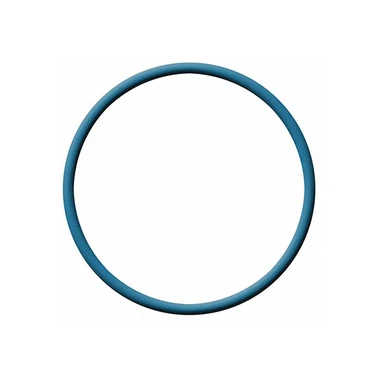
Square Profile O Rings
Square Profile O-Rings, also known as square section seals, are advanced sealing solutions designed to offer enhanced performance and reliability in various industrial applications. Unlike traditional round O-rings, these seals feature a square or rectangular cross-section, providing distinct advantages that make them ideal for specific sealing requirements. Square Profile O-Rings are typically manufactured from high-quality elastomers such as nitrile rubber (NBR), silicone, fluorocarbon (Viton), and EPDM, ensuring compatibility with a wide range of fluids and environments.
Description
Advantages:
Increased Sealing Surface: The square cross-section of these O-rings offers a larger sealing surface compared to round O-rings. This design enhances sealing efficiency and reduces the risk of leaks, especially in applications with irregular or non-standard sealing surfaces.
Improved Stability: Square Profile O-Rings exhibit better stability in the sealing groove, minimizing the tendency to roll or twist during installation and operation. This stability ensures consistent sealing performance over time.
Enhanced Resistance: They provide excellent resistance to temperature extremes, chemicals, oils, and fuels, depending on the elastomer material used. This versatility makes them suitable for demanding industrial environments where reliability is critical.


FAQ
1. What are Rectangular O-Rings, and how do they differ from traditional round O-Rings?
Answer: Rectangular O-Rings, also known as quad-rings, are sealing devices with a rectangular cross-section instead of the traditional circular shape found in standard O-rings. This design offers several advantages, including a larger sealing surface area, improved stability in the groove, and enhanced resistance to twisting. These characteristics make them ideal for applications requiring reliable sealing under dynamic conditions or irregular surfaces.
2. What materials are Rectangular O-Rings typically made from?
Answer: Rectangular O-Rings are commonly made from elastomers such as nitrile rubber (NBR), silicone, fluorocarbon (Viton), and EPDM (ethylene propylene diene monomer). The choice of material depends on factors such as temperature range, chemical compatibility, and specific application requirements.
3. What are the primary advantages of using Rectangular O-Rings?
Answer: The advantages of Rectangular O-Rings include:
Enhanced Sealing Efficiency: The rectangular cross-section provides a larger contact area compared to circular O-rings, improving sealing efficiency and reducing the risk of leaks.
Improved Stability: They offer better stability in the groove, minimizing the chances of rolling or twisting during installation and operation.
Versatility: Suitable for both static and dynamic sealing applications, including hydraulic systems, pneumatic systems, and rotary shafts.
Resistance to Deformation: Rectangular O-Rings maintain their shape and sealing properties, even under high pressures or varying temperatures.
Longevity: Designed for durability, they have a longer service life compared to traditional O-rings, reducing maintenance costs and downtime.
4. Where are Rectangular O-Rings commonly used?
Answer: Rectangular O-Rings find applications in various industries, including:
Hydraulic Systems: Sealing pistons, cylinders, and valves in hydraulic equipment to prevent fluid leakage.
Pneumatic Systems: Ensuring airtight seals in compressors, actuators, and other pneumatic components.
Automotive Industry: Used in engines, transmissions, and braking systems for reliable sealing under harsh operating conditions.
Manufacturing: Sealing machinery components, including pumps, motors, and gearboxes, to maintain operational efficiency.
Aerospace and Defense: Critical for sealing hydraulic and fuel systems in aircraft and military vehicles, ensuring safety and performance.
5. What precautions should be taken when using Rectangular O-Rings?
Answer: Precautions include:
Material Selection: Choose the appropriate elastomer material based on chemical compatibility, temperature range, and environmental conditions.
Proper Installation: Follow manufacturer guidelines for installation to ensure the O-ring is seated correctly in the groove without twisting or pinching.
Regular Inspection: Periodically inspect O-rings for wear, damage, or deterioration. Replace them as needed to maintain effective sealing performance.
Storage Conditions: Store O-rings in a clean, dry environment away from direct sunlight and extreme temperatures to preserve their integrity and extend their shelf life.
In summary, Rectangular O-Rings offer superior sealing capabilities and durability compared to traditional round O-rings, making them a preferred choice for demanding industrial applications where reliable sealing is critical. Their innovative design and versatile material options contribute to enhanced performance and operational efficiency across various sectors.
Hot Tags: square profile o rings, China, manufacturers, suppliers, factory, wholesale, custom, O Ring, Food Grade Silicone Ring, Viton O ring, silicone o ring, Rubber O Ring Cord, fkm o ring