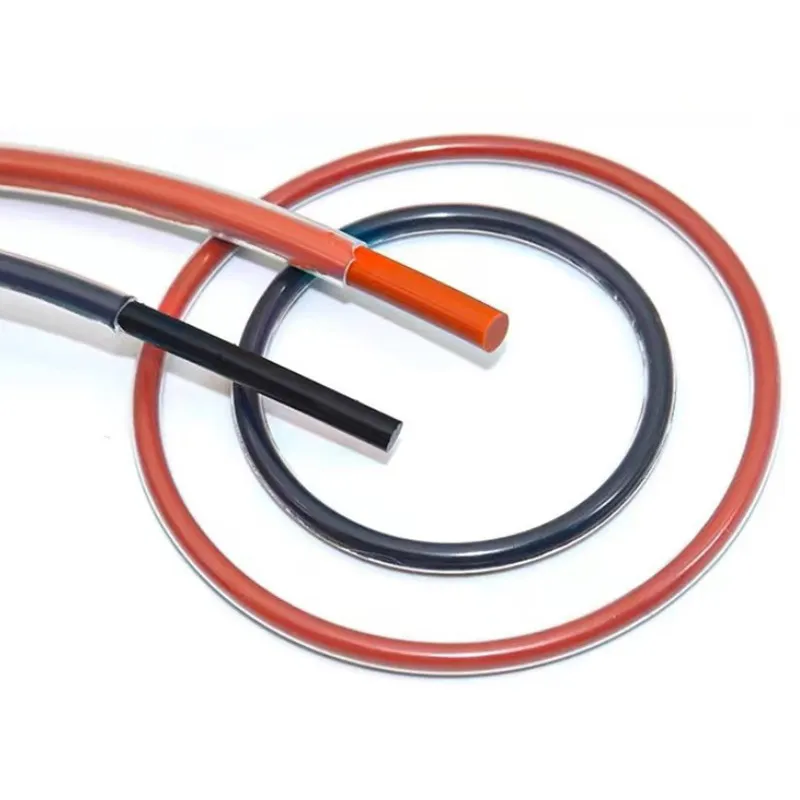
Ptfe Encapsulated O Ring
PTFE encapsulated O-ring combine the chemical resistance of PTFE (Polytetrafluoroethylene) with the elasticity and resilience of an elastomeric core, typically made of silicone or Viton. This unique construction provides superior sealing performance in challenging environments where both chemical compatibility and effective sealing are critical.
Description
Product Description

Advantages:
Chemical Resistance: The PTFE outer layer provides outstanding resistance to chemicals, solvents, acids, and bases, ensuring reliable sealing in corrosive environments where traditional elastomeric seals may fail.
Temperature Stability: PTFE-coated O-rings can withstand extreme temperatures ranging from -50°C to +250°C (-58°F to +482°F), maintaining sealing integrity across a broad thermal spectrum.
Applications:
Chemical Processing: Ideal for sealing pipelines, valves, and fittings in chemical plants where resistance to aggressive chemicals and high temperatures is crucial.
Oil and Gas Industry: Used in pumps, compressors, and valves to seal hydrocarbons and withstand the harsh conditions encountered in oil and gas extraction and refining.
Food and Pharmaceutical: Suitable for applications requiring compliance with FDA regulations, such as sealing equipment in food processing, pharmaceutical production, and medical devices.

1. What are PTFE-coated O-rings, and how do they differ from traditional O-Rings?
Answer: PTFE-coated O-rings feature an elastomeric core, typically made of materials like silicone or Viton, encapsulated within a jacket of PTFE (Polytetrafluoroethylene). This construction combines the resilience and elasticity of elastomers with the chemical resistance and low friction properties of PTFE. Unlike traditional O-rings, which are solely elastomeric, PTFE-coated O-ring offer enhanced resistance to aggressive chemicals, high temperatures, and provide superior sealing capabilities.
2. What materials are used in the construction of PTFE-coated O-rings?
Answer: PTFE-coated O-rings consist of:
Core Material: Elastomers such as silicone or Viton, chosen based on application requirements for temperature resistance and chemical compatibility.
Encapsulating Jacket: PTFE, renowned for its excellent chemical inertness, low friction, and high temperature resistance properties. This outer layer protects the elastomeric core and enhances sealing performance.
3. What are the primary advantages of using PTFE-coated O-rings?
Answer: The advantages include:
Chemical Resistance: PTFE provides exceptional resistance to a wide range of chemicals, acids, bases, and solvents, ensuring reliable sealing in corrosive environments.
Temperature Stability: Capable of operating in temperatures ranging from -50°C to +250°C (-58°F to +482°F), maintaining sealing integrity across extreme thermal conditions.
Low Friction: The smooth PTFE surface reduces friction during installation and operation, contributing to extended seal life and reduced wear.
Versatility: Suitable for both static and dynamic sealing applications in industries such as chemical processing, aerospace, automotive, and pharmaceuticals.
Durability: Combines the resilience of elastomers with the robustness of PTFE, offering long-lasting performance and minimizing maintenance requirements.
4. Where are PTFE Encapsulated O-Rings commonly used?
Answer: They are used in various industries and applications, including:
Chemical Processing: Sealing pumps, valves, and pipelines in chemical plants where resistance to aggressive chemicals and high temperatures is essential.
Food and Pharmaceutical: Ensuring compliance with FDA regulations for sealing equipment in food processing, pharmaceutical production, and medical devices.
Automotive: Used in engines, fuel systems, and hydraulic assemblies to withstand demanding operating conditions and ensure reliable performance.
Aerospace: Sealing critical components in aircraft hydraulic systems and fuel lines, where reliability under extreme temperatures and pressures is crucial.
General Industrial: Applications where sealing integrity is vital, such as oil and gas, marine, and environmental sealing applications.
5. What precautions should be taken when using PTFE Encapsulated O-Rings?
Answer: Precautions include:
Compatibility Testing: Ensure compatibility with specific chemicals, temperatures, and pressures present in the application environment.
Proper Installation: Follow manufacturer guidelines for installation to prevent damage to the PTFE encapsulated O-ring and ensure a secure fit within the sealing groove.
Regular Inspection: Periodically inspect O-rings for wear, compression set, or damage. Replace them promptly if signs of degradation are observed to maintain sealing effectiveness.
Storage Conditions: Store O-rings in a cool, dry place away from direct sunlight and extreme temperatures. Proper storage helps preserve their physical properties and extend their shelf life.
In summary, PTFE Encapsulated O-Rings offer superior chemical resistance, temperature stability, and durability, making them a preferred choice for critical sealing applications across various industries. Their unique design combines the best properties of elastomers and PTFE to ensure reliable sealing performance in challenging environments.
Hot Tags: ptfe encapsulated o ring, China, manufacturers, suppliers, factory, wholesale, custom, Rubber O Ring Cord, fkm o ring, FFKM Rubber O Ring, aflas o ring, silicone o ring, buna n o ring