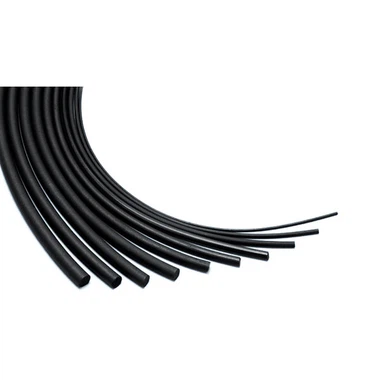
Oil Pump Rubber O-ring
Apr 03, 2021
The oil pump rubber O-rings are also constantly improved. The improved mechanical rubber O-rings have been changed from the original use of studs to grooves, which is more reliable, easier to install, and can be rotated in any direction. This series of mechanical seals are suitable for sewage, oil and general corrosive media whose pressure is less than 1.5Mpa, the temperature is between -20℃~200℃, and the end surface velocity is less than 20M/sec. This series of static rings include graphite rings, hard rings, and silicon carbide rings. Mechanical rubber O-rings are coated with fluorine and fluorine rubber. Users can use different mechanical rubber O-rings according to the different pump media. If the medium used is more corrosive, you should soak it in hot water at about 90℃ for a few minutes. When it is warm, press it in groups with your fingers, and put it into the predetermined position immediately.
Then the oil pump rubber O-ring should pay attention to the following points:
1. When using a mechanical seal in a medium that is easy to crystallize, pay attention to frequent flushing, and clean the crystals on the mechanical rubber O-ring before restarting after parking.
2. If there is dirt that cannot be removed, do not remove it forcibly. Try to remove the dirt and rinse it before removing it to avoid damaging the sealing element.
3. Strictly check the opposite grinding and sealing end faces of the moving ring and the static ring.
4. Correctly adjust the compression amount of the spring to make it not too tight or too loose, too tight, the sealing end face will wear out quickly, and the consumption or rate will be large; too loose, the sealing will not work, and the leakage will be too large. Therefore, after the pump is installed, when you pull the rotor with your hand, you should feel that the sealing spring has a certain amount of compression, and it can rotate briskly and flexibly with a clenched feeling. If it feels too tight or does not move, you should loosen it appropriately.
5. For mechanical seals with external flushing, the flushing fluid should be opened before starting to fill the sealing cavity with the sealing fluid. When stopping, the pump should be stopped first, and then the sealing flushing fluid should be turned off.
6. General mechanical rubber O-rings are suitable for clean media without suspended particles. Therefore, the newly installed piping system and liquid storage tank should be carefully flushed to prevent solid impurities from entering the mechanical sealing surface and using the seal to fail.
7. Disassemble the mechanical rubber O-ring carefully, and do not use hand hammers, irons, etc. to knock, so as not to damage the static ring sealing surface.
8. Before installing the mechanical rubber O-ring, check whether all the sealing elements are invalid and damaged. If any, repair them or replace them with new ones.
9. Pay attention to eliminate deviation during assembly. When tightening screws, they must be evenly tightened to avoid deflection and failure of the seal.